
Key Takeaways
- Cowboy boots have evolved from functional Western wear into enduring symbols of style, rebellion, and craftsmanship.
- Celebrities across generations have helped redefine cowboy boots as luxury fashion statements.
- Custom craftsmanship, not just trends, keeps cowboy boots relevant across decades.
- Authentic materials, traditional stitching, and timeless silhouettes matter more than novelty.
From Frontier Necessity to Cultural Icon
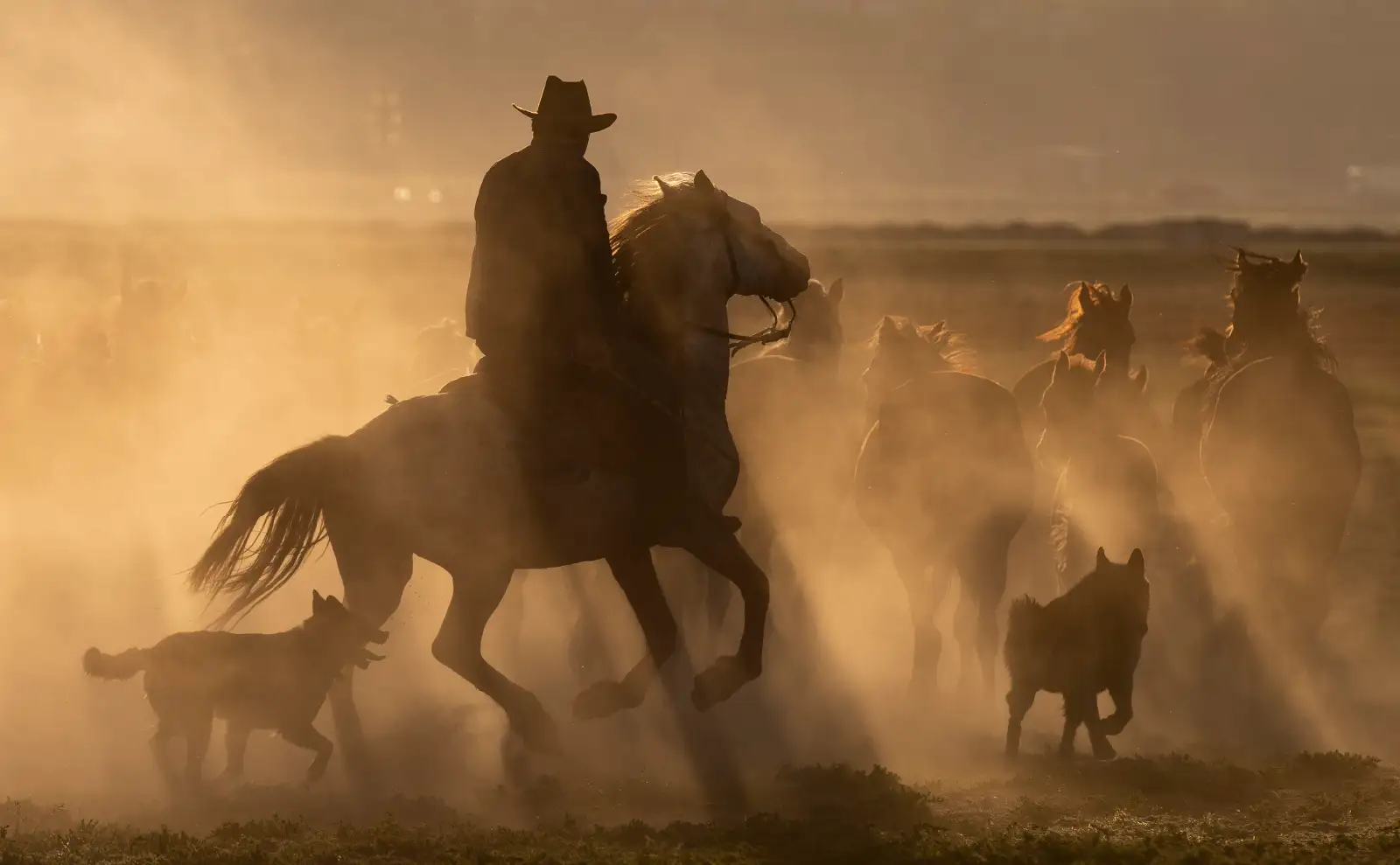
Cowboy boots are one of the few fashion staples that have survived shifting trends, subcultures, and celebrity cycles without losing their identity. Originally designed for durability, riding, and long days on the range, cowboy boots were never meant to be a fleeting fashion statement. Yet over time, they became icons of personal style worn by entertainers, musicians, and cultural tastemakers.
Cowboy boots have always represented independence, craftsmanship, and confidence, long before they ever walked a red carpet.
At Little’s Boot Company, we view that evolution not as a departure from tradition, but as a continuation of it.
Hollywood’s Golden Age & the Rise of Western Style
During Hollywood’s Golden Age, cowboy boots became synonymous with American masculinity and frontier mythology. Actors like John Wayne, Roy Rogers, and Gene Autry didn’t just wear cowboy boots on screen; they embodied the Western lifestyle off camera, fueling nationwide fascination with Western dress through the 1940s and 1950s.
Boots of this era were handmade, high-heeled, and defined by detailed stitching rather than mass production. While originally practical for riding, they quickly became symbolic costume pieces, transforming cowboy boots into recognizable fashion statements.
In early Western films, cowboy boots became synonymous with self-reliance, grit, and freedom.
Even women popularized the look. Marilyn Monroe famously wore cowboy boots in a 1951 photo shoot, signaling an early crossover appeal that transcended gender boundaries.
Rock, Rebellion & Counterculture
By the 1960s and 1970s, cowboy boots found new life in music culture. Artists like Bob Dylan, Jimi Hendrix, and The Rolling Stones embraced Western footwear as representations of rebellion and individuality. During this era, cowboy boots no longer represented conformity; they stood for nonconformity.
Designs expanded to include bolder stitching, richer colors, and exotic leathers. Boots became deeply personal expressions rather than standardized attire.
When the counterculture adopted cowboy boots, they became statements rather than costumes.
Country Music, Glamour & Luxury
The 1980s ushered cowboy boots into the mainstream spotlight. Country icons such as Dolly Parton, Reba McEntire, and George Strait elevated boots with stage presence and confidence, while designers like Ralph Lauren incorporated Western silhouettes into high-end collections. This era shifted public perception. Cowboy boots were no longer niche; they were aspirational.
Street Style, Pop Culture & Global Influence
By the 1990s and early 2000s, cowboy boots became staples of celebrity street style. Pop stars including Britney Spears, Beyoncé, and Jessica Simpson paired boots with denim and dresses, blending Western heritage with pop glamour. International figures like Kate Moss helped fuel the global embrace of cowboy boots into mainstream fashion. Cowboy boots transitioned fully from trend to wardrobe essential.
Modern Custom Culture & the Revival of the Red Carpet
Today’s cowboy boot renaissance is fueled by individuality, craftsmanship, and social media visibility. Artists like Lil Nas X and Post Malone use cowboy boots as wearable art. Sometimes these celebrities’ boots are bold, sometimes they’re restrained, but their fashion choices are always intentional.
Custom boots aren’t about trends; they’re about identity.
In an era of fast fashion, custom cowboy boots stand apart as lasting statements of personal style, built to reflect who someone is, not just what’s popular. Each design choice, from leather selection to stitching patterns, carries meaning and purpose. That level of intention is what continues to draw artists, designers, and tastemakers back to custom boots decade after decade.
Schedule a Fitting With Little’s Boot Company
From the dusty trails of the Old West to modern red carpets, cowboy boots remain symbols of confidence, heritage, and authenticity. Little’s Boot Company is committed to continuing that legacy, one custom pair at a time.
We know that custom craftsmanship honors tradition without chasing novelty. Our custom leather boots are handcrafted from luxury leathers, including calfskin, kangaroo, ostrich, and alligator or crocodile leathers. Each material is selected for longevity, not spectacle.
Schedule a fitting in San Antonio and begin crafting boots designed to last a lifetime.
FAQs
Q: Why have cowboy boots remained popular for so many decades?
A: Cowboy boots have endured because they combine craftsmanship, durability, and timeless style. They continue to represent individuality, confidence, and authenticity across generations.
Q: When did cowboy boots become a fashion statement?
A: Cowboy boots gained mainstream recognition during Hollywood’s Golden Age in the 1940s and 1950s, when Western film stars popularized the style on and off screen.
Q: Why are custom cowboy boots still relevant?
A: Custom cowboy boots remain popular because they offer personalized craftsmanship, premium materials, long-lasting comfort, and a level of individuality that mass-produced fashion cannot replicate.
Q: What makes handcrafted cowboy boots different from mass-produced boots?
A: Handcrafted cowboy boots are built with higher-quality materials and greater attention to detail. They are designed for durability, comfort, and timeless style rather than short-term fashion trends.
Q: Are cowboy boots considered formal or casual footwear?
A: Cowboy boots can be styled for both formal and casual occasions depending on the leather, design, stitching, and overall silhouette.