Key Takeaways
- Handmade cowboy boots are designed with long-term comfort, durability, and personalized fit in mind.
- Wearers can choose leather type, toe shape, stitching, heel style, and overall design details.
- Quality leather and hand construction can significantly extend a boot’s lifespan when properly maintained.
- Handmade boots mold to the wearer’s feet over time for a more comfortable fit unique to the individual—unlike store-bought boots.
- Timeless, classic boot styles remain popular for their versatility and often have shorter production timelines than heavily detailed designs.
Cowboy boots are steeped in craftsmanship, individuality, and tradition with a nod to Western culture. They can be just as welcome on the ranch as they are out on the town, which is great news for today’s boot enthusiasts. With the saturation of factory-made boots on the market, though, many buyers are left wondering whether handmade cowboy boots are truly worth the investment.
If you’re serious about comfort and unique fit, then the answer is a resounding YES. Sure, store-bought boots are convenient and affordable, but you simply can’t beat the personalization you get from custom-designed cowboy boots. Their prestige is rooted in craftsmanship tailored specifically to the wearer, who has a choice of premium leather selections and hand-finished details.
Mass production just can’t quite replicate the level of quality and longevity that custom boots in San Antonio provide. Here’s why custom vs. store-bought boots make all the difference.
The Difference Between Handmade & Store-Bought Boots
At first glance, you may think a handmade boot and a factory-made boot look the same. But once you take a closer look, you’ll find that the differences become clear. From the detailed construction process to the premium materials used to the promise of long-term performance, you’ll soon see why custom cowboy boots in San Antonio come out on top every time.
That’s because store-bought boots are made quickly and cheaply, using standardized sizing and automated assembly methods. Efficiency and volume: this is the goal of mass production. Custom-made cowboy boots, on the other hand, are designed around the individual wearer rather than a generic sizing template, creating a noticeably more comfortable fit over time.
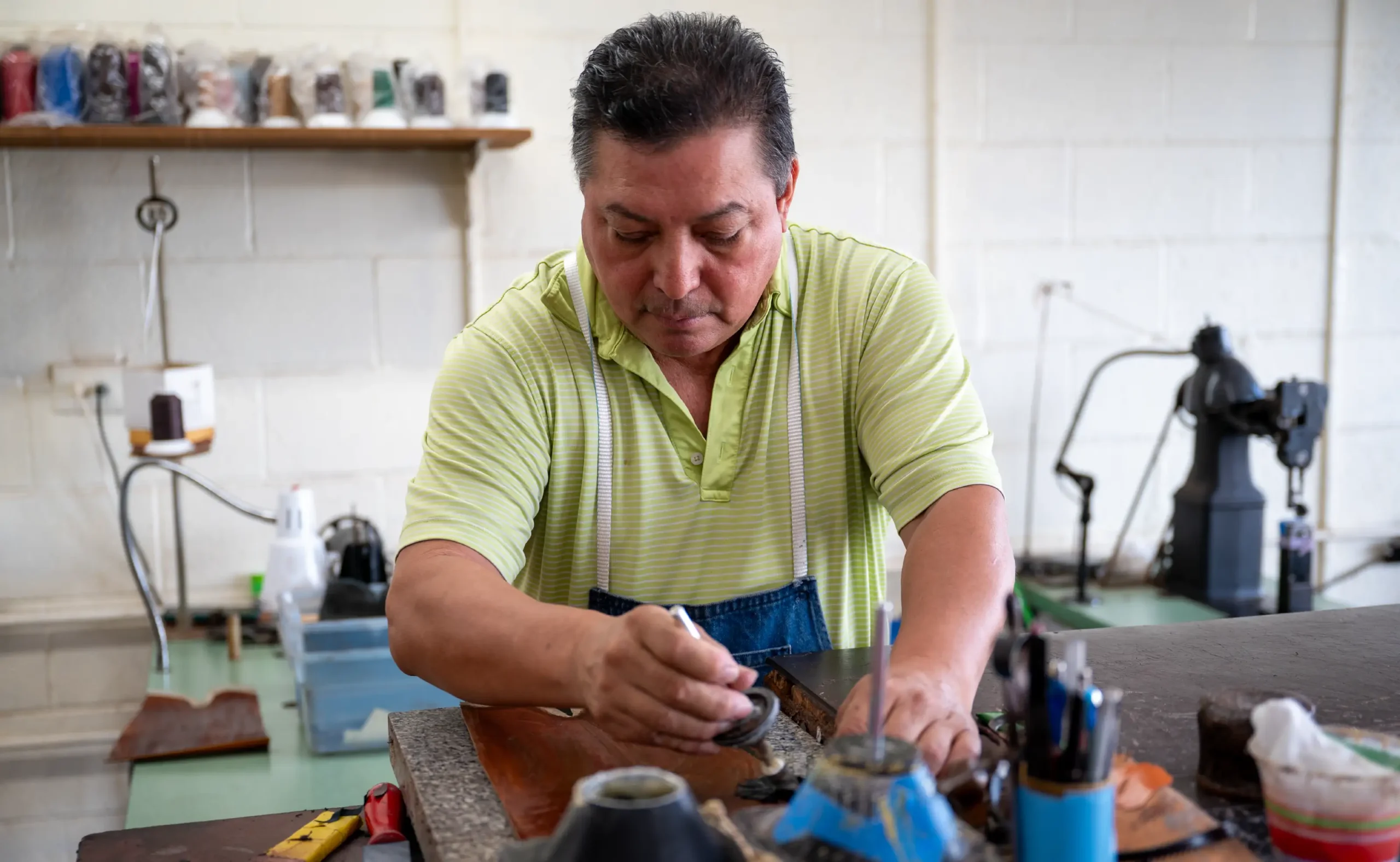
Handmade cowboy boots are built with precision and attention to detail by skilled bootmakers who value fit, craftsmanship, and durability.
According to the American Podiatric Medical Association, properly fitted footwear plays a major role in overall foot comfort and long-term support. And if you wear cowboy boots on a regular basis for long periods of time, this truly matters.
Leather Quality Forms the Foundation of Custom Boots
Leather quality is the most striking difference between handmade and store-bought cowboy boots.
- Premium handmade boots feature exotic and traditional leathers selected for durability, flexibility, and visual character. Common materials include calfskin, ostrich, and alligator or crocodile leather.
- Calfskin remains popular for its clean finish and durability, while ostrich leather is prized for its softness and flexibility.
- Full quill ostrich features the distinctive raised quill pattern many boot collectors recognize instantly, while non-quill ostrich offers a smoother, more understated texture.
- Exotic leathers like alligator and crocodile are often valued for their unique scale patterns and luxurious appearance.
- Factory-made boots feature synthetic materials or corrected leather, while handmade boots are crafted with natural materials that develop character with wear and time.
The quality of the leather ultimately determines how beautifully a boot ages over time.
Handmade Boots: Built for Fit & Comfort
Comfort is usually the deciding factor when people are choosing between custom made and mass produced boots.
- Store-bought boots are general in their sizing, leading to an inadequate fit that may pinch the feet over time.
- Handmade boots made with individual measurements and shaping techniques will naturally conform to the wearer’s foot.
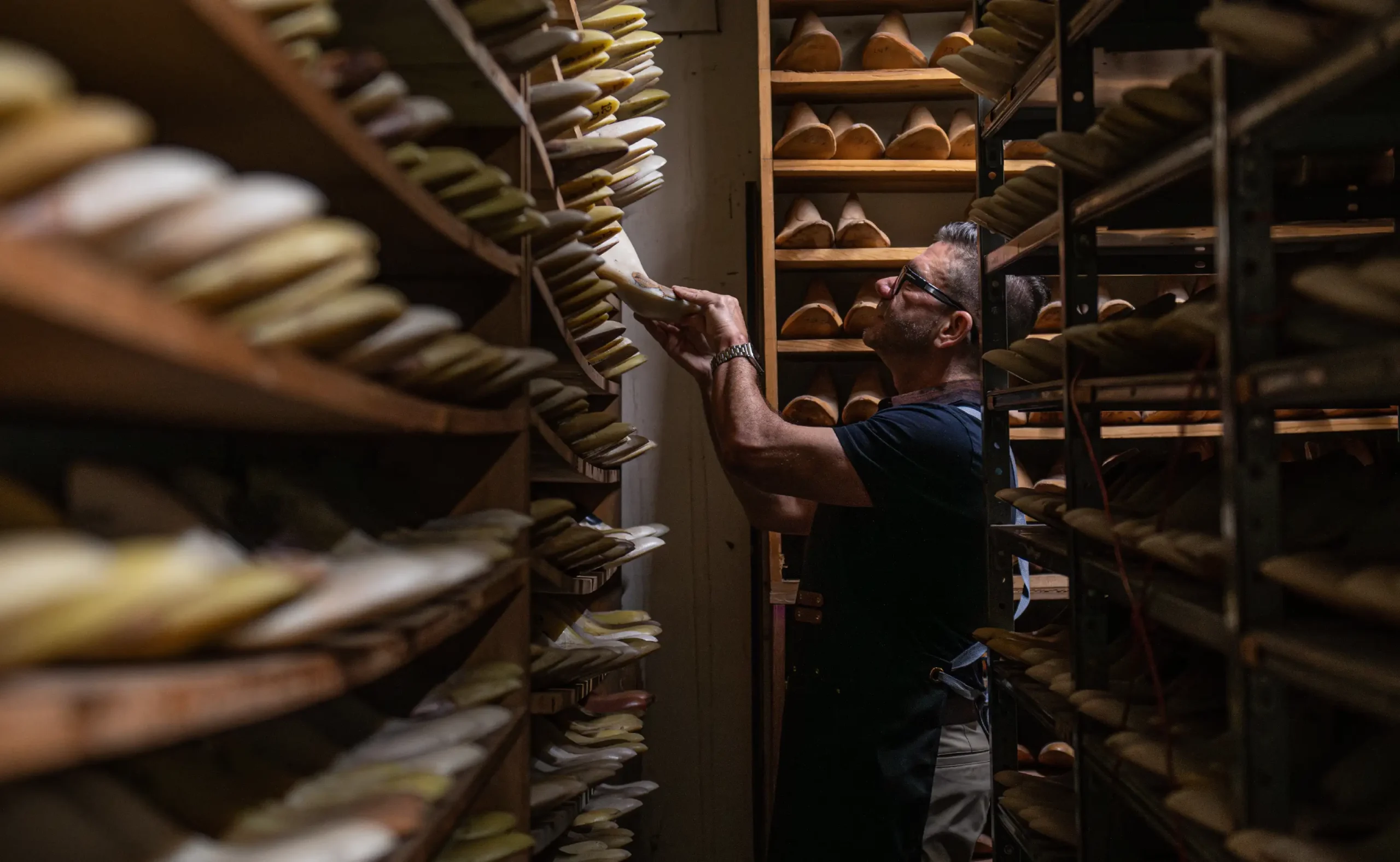
- Toe shape and heel configuration form the foundation of comfort. For example, custom bootmakers in San Antonio offer a medium round toe option for wearers seeking a timeless silhouette with practical everyday comfort.
- Similarly, traditional cowboy or western heels are designed not only for aesthetics but also for stability and functionality.
Craftsmanship: More Than Just Appearance
Hand stitching, careful leather selection, reinforced construction, and detailed finishes don’t just contribute to the aesthetics of your custom boots. They can actually influence long-term durability and comfort.
More and more buyers are gravitating toward timeless and classic designs featuring solid colors and simple stitching. They not only showcase the quality of handmade craftsmanship, but they also offer an unmatched versatility.
While statement-making designs feature intricate stitching patterns and detailed accents, understated boots continue to remain staples due to their wearability and enduring appeal.
Timeless craftsmanship inherent in custom cowboy boots never goes out of style.
Handmade Boots Last Longer
Handmade cowboy boots cost more upfront and take a long time to create, but despite that, many people prioritize the long-term investment of custom footwear.
Experts note that traditional handcrafted footwear is often designed to be repaired and resoled over time, allowing high-quality boots to last significantly longer than many mass-produced alternatives.
FAQs: Custom vs. Store-Bought Boots
Q: Are handmade cowboy boots worth the cost?
A: For many buyers, yes. Handmade cowboy boots often provide superior comfort, craftsmanship, durability, and repairability compared to mass-produced alternatives.
Q: How long do handmade cowboy boots last?
A: With proper care and occasional resoling, high-quality handmade boots can last for decades.
Q: What is the difference between handmade and custom-made cowboy boots?
A: Handmade cowboy boots are crafted individually rather than mass-produced.
Q: What leather is best for cowboy boots?
A: Different leathers offer different benefits. Calfskin is durable and classic, ostrich is soft and flexible, and alligator or crocodile leather is valued for its distinctive appearance and texture.
Q: How should cowboy boots be cared for?
A: Use cream polish instead of heavy sprays, condition leather regularly, and allow wet boots to dry naturally away from direct heat sources.
Q: Are simple boot styles becoming more popular?
A: Yes. Many buyers are gravitating toward timeless, classic designs with solid colors and understated stitching because of their versatility and enduring style.
The Value of Patience in Custom Bootmaking
One aspect of custom-made cowboy boots that may surprise first-time buyers is the production timeline. Unlike mass-produced footwear that you can pluck off store shelves in the moment, handmade boots require time and careful craftsmanship.
Production timelines for fully custom boots in San Antonio range from 12–14 months depending on complexity, leather availability, and design details. This slow process guarantees higher quality control, better finishing, and a truly personalized product built specifically for the individual wearer.